Small Parts, Long Life: Specifying Window Hardware That Earns Its Keep

Photo by Photo by Ricardo Resende on Unsplash on Unsplash
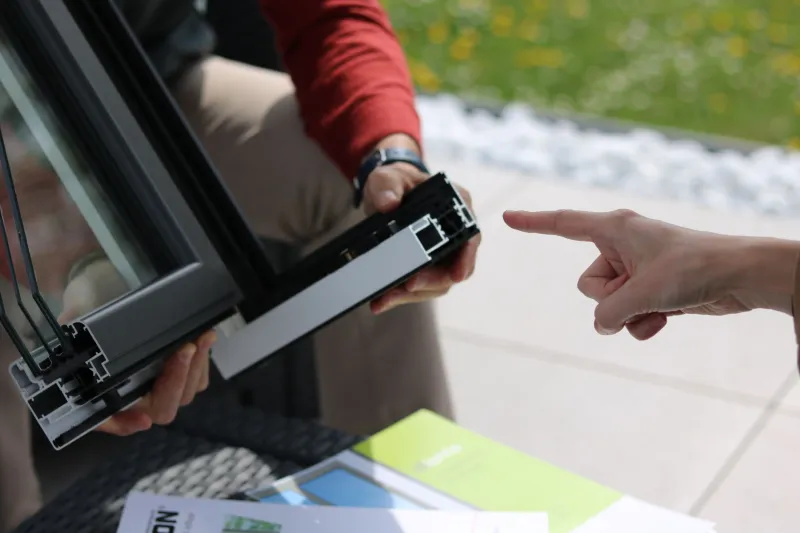
When homeowners compare replacement windows, attention usually goes to frames and glass. Yet the parts that decide whether a window feels secure, opens smoothly and survives a decade of family use are often the smallest: handles, hinges, locking bars, keeps and trickle vents. Hardware is where daily life meets the building envelope, and it is also where vague specifications can hide.
Why hardware deserves equal billing
A window is a system, not a collection of separate products. The frame may be well made and the glazing unit highly efficient, but poor hardware can make the whole assembly stiff, draughty or insecure. Hardware affects operation, weather tightness, ventilation and security. It also determines how easy the window is to maintain and whether a warranty claim is straightforward or disputed. Asking about brands, ratings and replacement parts is not pedantic; it is a sensible part of buying.
Handles: the daily interface
A handle is touched several times a day, so its material and mechanism matter. Die-cast zinc, aluminium and stainless steel are common, with finishes ranging from powder-coated colours to anodised metal. Ask how the handle is fixed, whether the spindle is metal rather than plastic and whether a key-locking or restricted-opening version is available. On coastal properties, specify marine-grade stainless steel where possible and ask about salt-spray testing. A handle that feels light, wobbles slightly or has sharp edges is unlikely to be the most durable choice.
Hinges and friction stays: carrying the weight
Modern casement windows often use friction stays, while heavier sashes may need reinforced hinges or alternative hardware. The load rating matters, particularly with triple glazing or large openings. Ask whether the hinges are adjustable for sag and whether replacement parts can be fitted without removing the whole sash. Stainless steel rivets and robust fixing points are signs of a more considered specification. For family homes, restricted-opening hinges or cables can add a useful layer of safety without preventing ventilation.
Locks and espagnolettes: security in the detail
Multi-point locking is standard on most modern windows, but the number and type of locking points vary. An espagnolette bar runs along the opening sash and engages with keeps in the frame; mushroom cams and rollers provide different levels of resistance. Tall windows should have enough locking points to pull the sash evenly against the seals. Look for recognised security standards such as PAS 24 or Secured by Design where appropriate, and check with your insurer if security is a condition of cover. A locking handle is useful, but it is not a substitute for a properly specified multi-point lock.
Trickle vents and ventilation hardware
Background ventilators are small components with a large effect on indoor air quality. Ask for the airflow rating, acoustic performance and control type, especially on busy roads. Cheap vents can rattle, leak or become stiff within a few years. Confirm that vents are commissioned at installation and that curtains or blinds will not block them. In an increasingly airtight home, a well-chosen vent is part of the comfort specification, not an afterthought.
Materials, finishes and UK weather
UK weather is hard on hardware. Coastal homes face salt-laden air, while inland properties still deal with driving rain and temperature swings. Ask about corrosion testing, finish warranties and cleaning advice. Avoid abrasive cleaners and bleach-based products, which can damage protective coatings. A yearly check and light lubrication of moving parts can extend service life, but maintenance should not be used to excuse poor initial specification.
Warranty terms: read the small print
Frame warranties are often long, but hardware cover is frequently shorter. Ask for the hardware warranty period in writing and check what counts as wear and tear. Some policies exclude corrosion in coastal locations unless specified. Keep a record of the hardware schedule, installation date and any maintenance carried out. If a handle or hinge fails, the installer will need the product details to make a claim or order a replacement.
Questions to ask before you sign
- Which manufacturer and model are specified for handles, hinges and locks?
- What cycle testing has the hardware undergone?
- What load rating applies to the hinges, especially for large or triple-glazed sashes?
- How many locking points will each window have?
- Is the window tested to PAS 24 or another security standard?
- What are the airflow and acoustic ratings of the trickle vents?
- How long is the hardware warranty, and what is excluded?
- Are spare handles, hinges and keeps available in the future?
- What maintenance is recommended, and will it affect the warranty?
Spotting smart-but-flimsy furniture
A stylish finish can disguise a weak mechanism. Be cautious of handles with visible plastic internal parts, hinges with few fixings, locking systems with vague descriptions and vents that feel loose before installation. Stiff operation on a showroom sample is another warning sign. Branded hardware with published test data is easier to verify than an unnamed product described only as high security or premium quality.
Buy for the decade, not the showroom
Window hardware is small, but it is the part of the window your household will judge every day. Ask for named products, tested performance and a clear warranty. A well-specified handle, hinge and lock set may add little to the overall quote, yet it can make the difference between a window that still feels solid in 2036 and one that needs attention long before the frame does.